
-

How Public Adjusters Are Paid
Read More: How Public Adjusters Are PaidOne of the most common questions policyholders have about public adjusters is how they are paid, and it is an important one. Public adjusters typically work on a contingency basis, earning a percentage of the settlement they recover, which aligns their interests directly with yours. Understanding how public adjusters are paid helps you see that…
-

Burst Pipe and Frozen Pipe Insurance Claims
Read More: Burst Pipe and Frozen Pipe Insurance ClaimsA burst or frozen pipe can release hundreds of gallons of water into a home in a short time, causing extensive, expensive damage. These claims are common, especially during cold snaps, and while burst pipes are often covered, claims can still be disputed or underpaid, particularly over questions of cause and maintenance. Pursuing the full…
-

The “Mold Cap” Trap in Water Damage Claims
Read More: The “Mold Cap” Trap in Water Damage ClaimsDiscovering mold in your home is alarming. It’s ugly, it smells, and it poses health risks. But for California homeowners filing an insurance claim, the word “mold” carries a secondary danger: it is a financial trigger word that insurance adjusters use to drastically limit your payout. Most modern homeowners insurance policies in California have severe…
-

Mold Damage Insurance Claims
Read More: Mold Damage Insurance ClaimsIn the damp Pacific Northwest climate, mold is a common consequence of water damage, and mold damage claims are among the most complex and contested in property insurance. Coverage for mold is often limited, excluded, or disputed, and insurers frequently resist these claims. When mold results from a covered water loss, however, you may be…
-
Roof Damage Insurance Claims
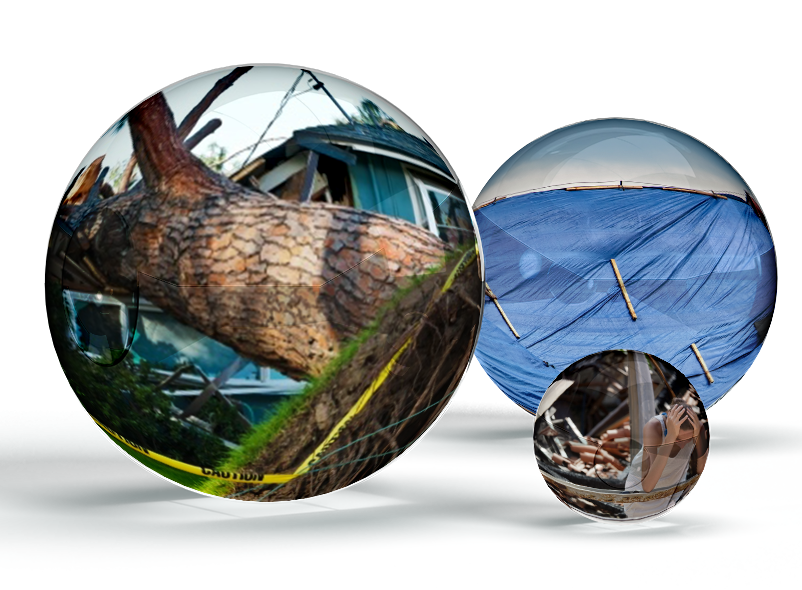
Read More: Roof Damage Insurance ClaimsA roof damage insurance claim pays for roof damage from a covered event such as a storm or wind, along with the hidden and interior damage that water intrusion causes. Insurers often dispute these claims by blaming age or wear, or by approving a partial repair when a full replacement is warranted, so document the…
-
Smoke Damage Claims After a Fire
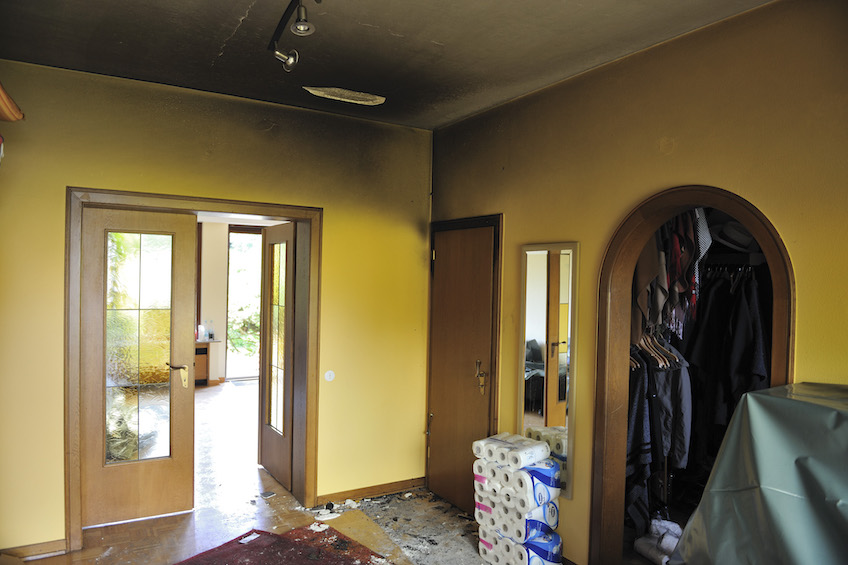
Read More: Smoke Damage Claims After a FireA smoke damage claim covers the smoke and soot damage a fire causes beyond what actually burned: walls, ceilings and other surfaces, contents and personal property, ducts and hidden cavities, lingering odor and air quality. Insurers frequently undervalue or overlook this damage, so document it throughout the property and make sure the claim includes the…
-

Business Interruption Insurance Claims
Read More: Business Interruption Insurance ClaimsBusiness interruption insurance covers the income a business loses when a disaster forces it to close or cut back operations, plus extra expenses incurred to keep operating, for the period of restoration. These claims are often disputed or underpaid because lost income has to be calculated from the business’s financials, so thorough financial documentation and…
-

Dealing with Malicious Mischief and Missing Heirlooms After Vandalism
Read More: Dealing with Malicious Mischief and Missing Heirlooms After VandalismA residential burglary claim is really two claims: theft for what was taken and vandalism, or malicious mischief, for what was broken, and the vandalism damage often exceeds the value of the stolen goods. When receipts are missing, ownership of heirlooms can be shown with photos, old appraisals or affidavits, and the physical damage should…
-
Commercial Property Insurance Claims
Read More: Commercial Property Insurance ClaimsA commercial property insurance claim covers the business property, equipment and inventory damaged in a loss, and often business interruption, the income lost while operations are disrupted. These claims are larger and more complex than residential ones, so they depend on a careful reading of the commercial coverage, documenting both the assets and the operational…
-

Documenting Property Damage for Your Insurance Claim
Read More: Documenting Property Damage for Your Insurance ClaimTo document property damage for an insurance claim, photograph and video all of the damage before cleanup or repairs where it is safe, build a detailed inventory of damaged items with their value, and keep receipts and other proof of ownership. Also record hidden damage behind walls or under floors and any additional expenses such…
-
The Insurance Claim Process Explained
Read More: The Insurance Claim Process ExplainedThe insurance claim process runs in steps: report the loss to your insurer promptly, document the damage, go through the insurer’s investigation (usually a visit from its own adjuster), have the loss valued, review the settlement offer, negotiate, and reach a settlement, meeting every deadline along the way. Disputes and underpayment most often arise at…
-
Understanding Your Homeowners Insurance Policy
Read More: Understanding Your Homeowners Insurance PolicyA homeowners insurance policy combines dwelling coverage for the structure, personal property coverage for your belongings, and additional living expenses if a loss makes the home uninhabitable, each with its own limits. Before a loss, check those limits, your deductibles (including any special deductibles for specific perils), the exclusions, and whether losses are paid at…